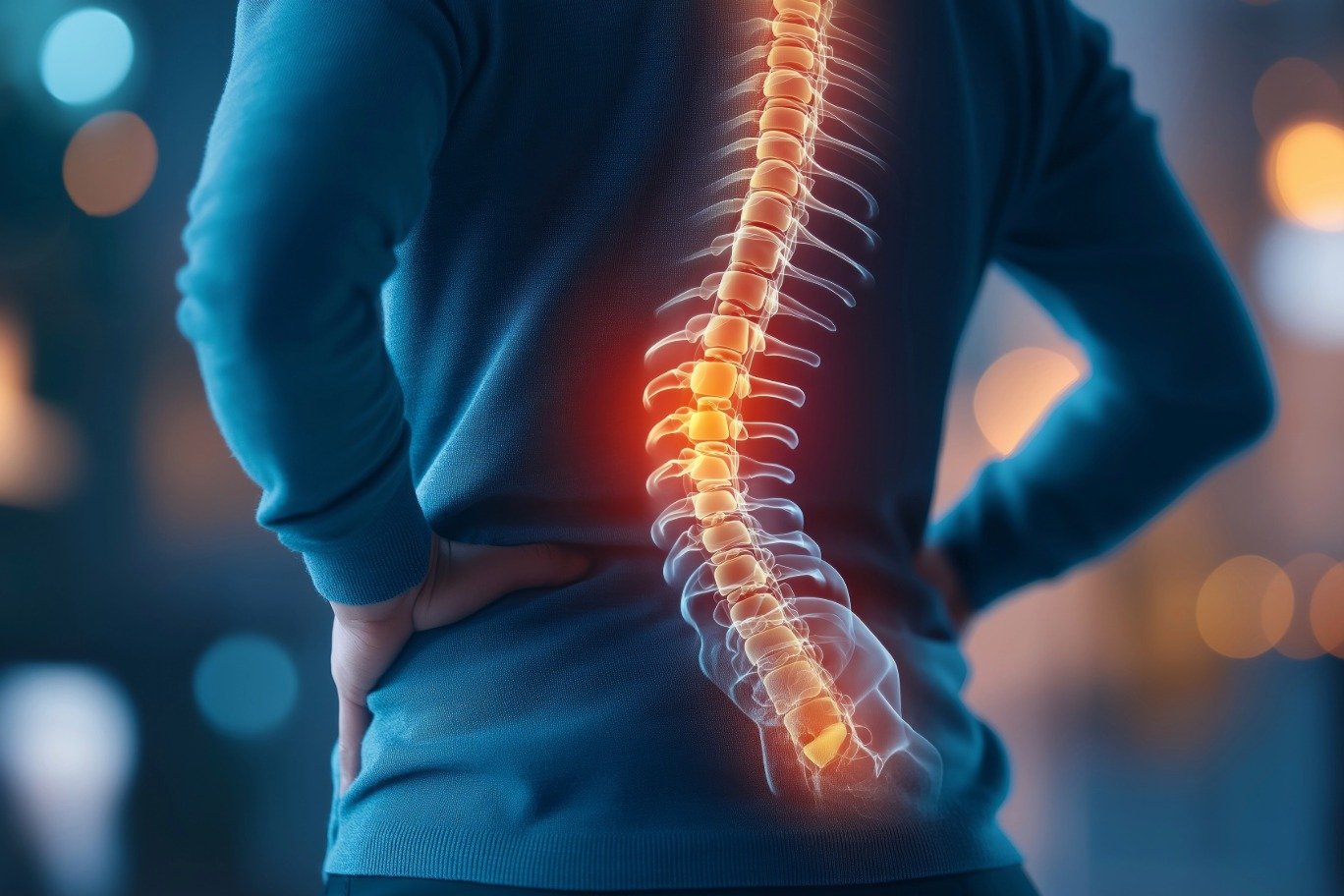
Expert evaluation and treatment for the full range of cervical, thoracic, and lumbar spine conditions — from first-line conservative care to complex reconstructive surgery.
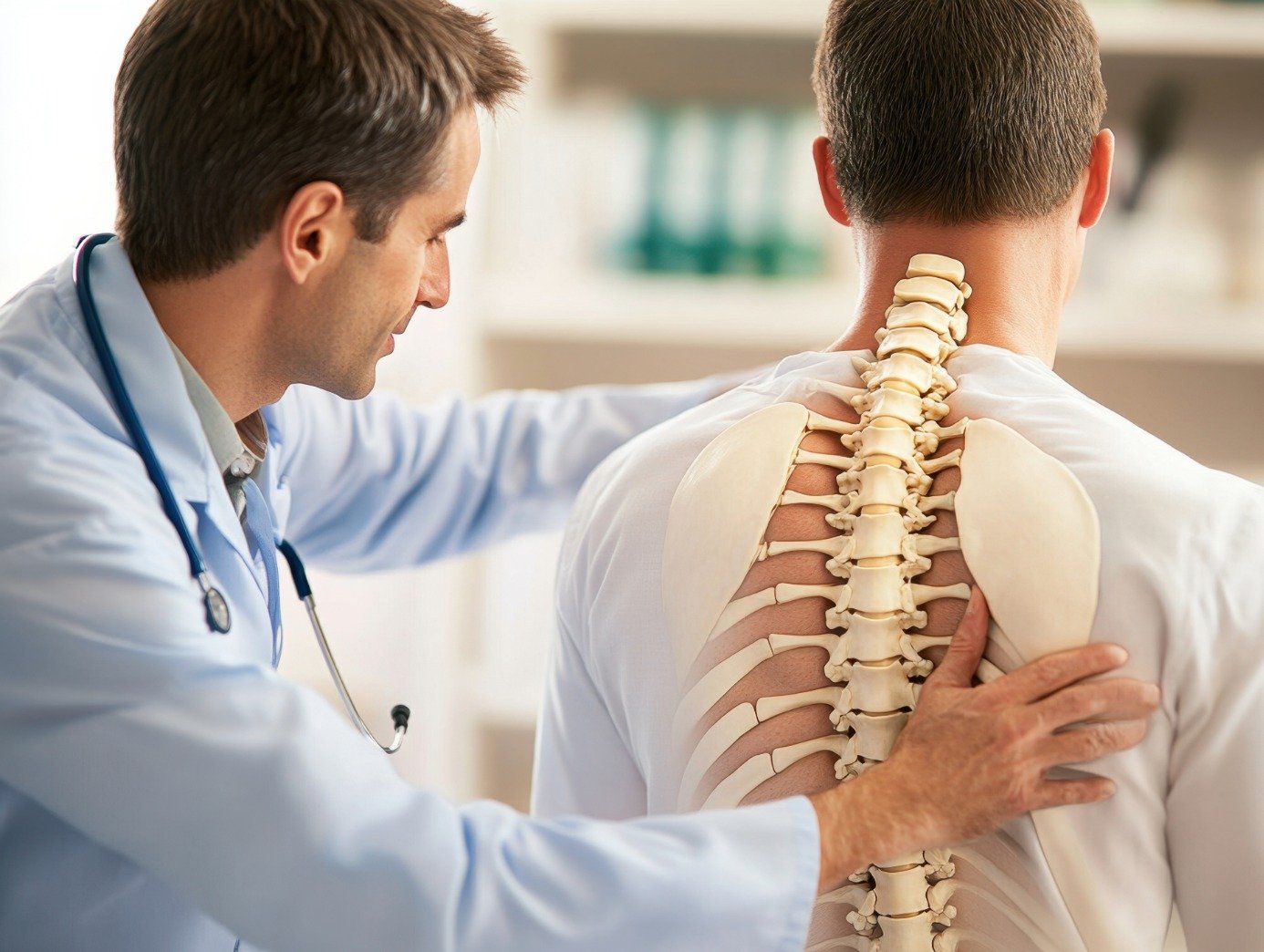
Back and neck pain are among the most common reasons people seek orthopedic care, yet each patient’s spine is unique. Our approach begins with a thorough evaluation — physical examination, imaging review, and discussion of your goals — to build a plan that fits your life.
We exhaust non-surgical options first: physical therapy, injections, activity modification, and pain management. When surgery is appropriate, our specialists use the latest minimally invasive techniques that reduce recovery time and get you moving again sooner.
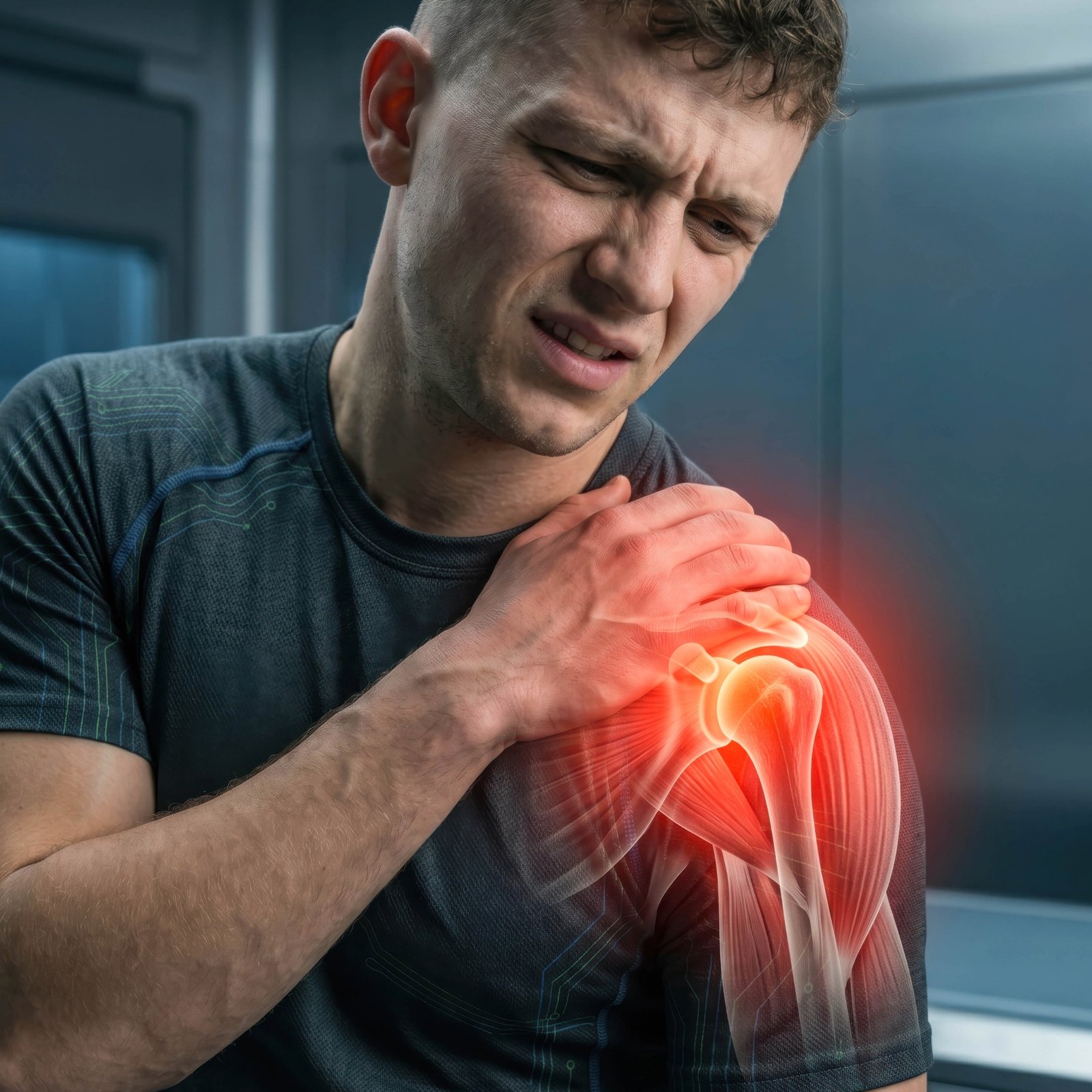
Whether you’re dealing with a sports injury, a work-related or motor vehicle condition, the effects of aging, or a complex revision case — you’ll find experienced, compassionate care here.
Comprehensive Orthopedic Solutions
Advanced treatments designedtorestoreyour mobility and eliminate pain.
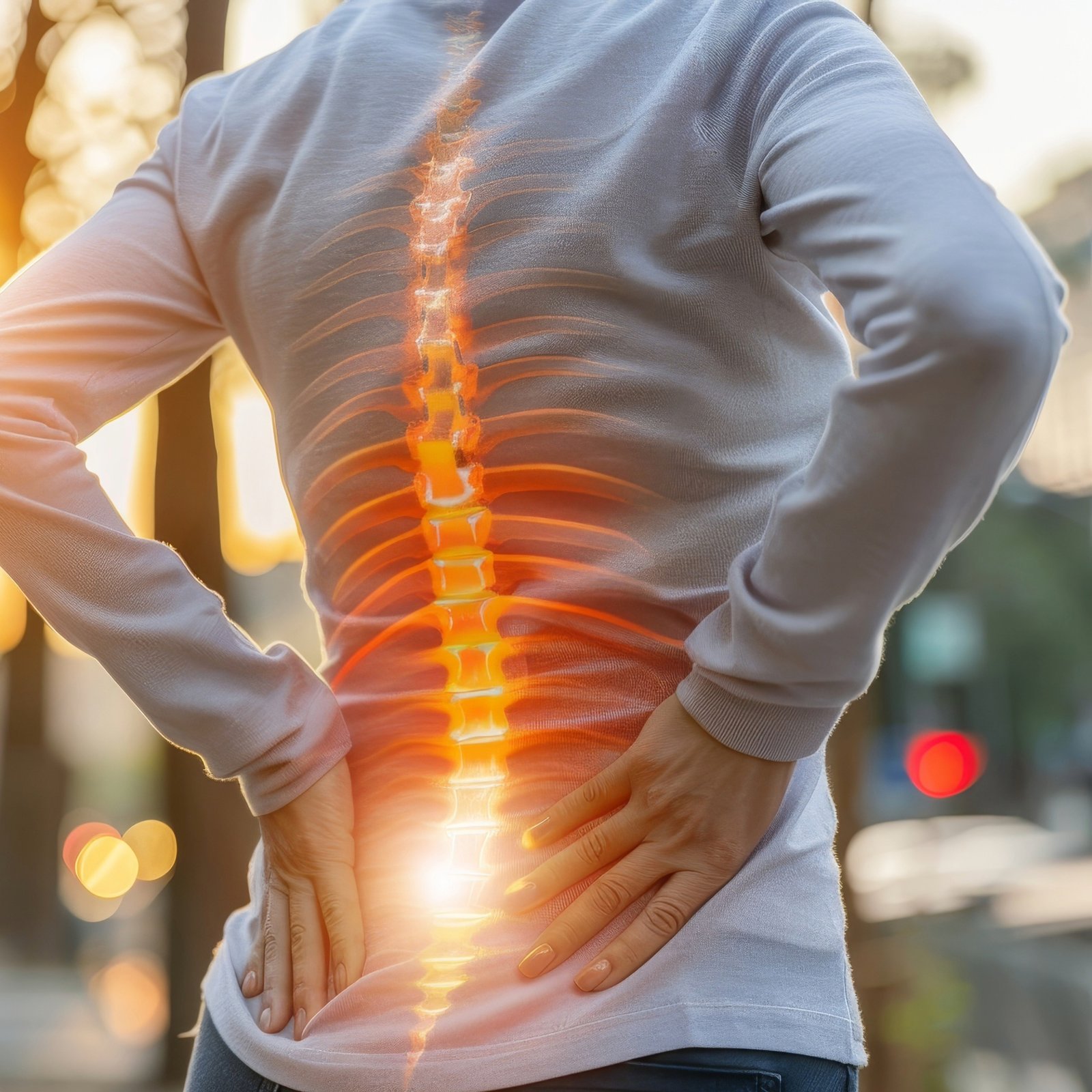
Persistent neck or back pain with stiffness can restrict movement, affect daily activities, and may result from muscle strain, arthritis, disc problems, or other spinal conditions.
Balance problems or difficulty walking
Difficulty walking or maintaining balance may result from spinal cord compression, impacting coordination, stability, and overall mobility. Early diagnosis can improve treatment outcomes.
Pain following previous spine surgery
Ongoing or recurring pain after spine surgery may indicate an underlying issue that requires specialized evaluation to identify the cause and recommend appropriate treatment.
Weakness in the arms or legs
Weakness in the arms or legs may be a sign of nerve or spinal cord compression, affecting strength, mobility, and everyday activities if left untreated.
Fine motor skill changes — handwriting, buttons, or grip
Difficulty writing, buttoning clothes, or gripping objects may indicate spinal cord or nerve involvement, affecting hand coordination and requiring prompt medical evaluation.
Work, sports, and motor vehicle injuries affecting the spine
Spinal injuries from work, sports, or vehicle accidents can cause pain, instability, or nerve damage, requiring accurate diagnosis and personalized treatment.
Neurogenic claudication — leg cramping or pain with walking
Leg pain or cramping while walking that improves with rest may be caused by spinal stenosis, limiting mobility and affecting everyday activities.
Radiating pain, numbness, or tingling into arms or legs
Pain, numbness, or tingling spreading into the arms or legs often indicates nerve compression caused by a spinal condition requiring expert evaluation and treatment.
A damaged spinal disc can press on nearby nerves, causing back or neck pain, numbness, tingling, or weakness in the arms or legs.
Spinal stenosis — narrowing of the spinal canal
Narrowing of the spinal canal places pressure on nerves or the spinal cord, leading to pain, numbness, weakness, and difficulty walking.
Myelopathy — spinal cord compression
Compression of the spinal cord can affect balance, coordination, hand function, walking, and overall strength if left untreated.
Spondylolisthesis — vertebral slippage
One vertebra slips over another, causing back pain, nerve compression, instability, and sometimes leg pain or weakness.
Spondylosis — degenerative spinal arthritis
Age-related spinal arthritis causes joint wear, stiffness, chronic pain, and may contribute to nerve compression and reduced spinal mobility.
Scoliosis — lateral spinal curvature
An abnormal sideways spinal curve can cause uneven posture, back pain, muscle imbalance, and progressive spinal deformity in some patients.
Synovial facet cyst
A fluid-filled cyst near a spinal joint can compress nearby nerves, causing back pain, leg pain, numbness, or weakness.
Pinched nerves (nerve compression)
Compressed spinal nerves can cause pain, numbness, tingling, or muscle weakness that may radiate into the arms, hands, legs, or feet.
Degenerative disc disease
Age-related wear of spinal discs can cause chronic back or neck pain, stiffness, reduced flexibility, and sometimes nerve compression symptoms.
Radiculopathy — nerve root irritation
Irritated or compressed spinal nerve roots cause radiating pain, numbness, tingling, or weakness along the affected arm or leg.
Spondylolysis — stress fracture of a vertebra
A stress fracture in a vertebra commonly causes lower back pain, especially in active individuals, athletes, and growing adolescents.
Kyphosis — forward rounding of the upper back
An excessive forward curve of the upper spine can lead to poor posture, back pain, stiffness, and reduced spinal function.
Spinal fractures
Fractures of the spine may result from trauma or osteoporosis, causing severe pain, instability, and possible spinal cord or nerve injury.
Spinal tumors
Abnormal growths within or around the spine can cause persistent pain, nerve compression, weakness, numbness, and other neurological symptoms.
Our approach
Treatment Options
We exhaust every non-surgical avenue before recommending an operation. When surgery is right, we use time-tested and minimally invasive techniques to maximize healing.
Non-Surgical
Because surgery isn't the only way to relieve your pain
Many common spine conditions respond well to conservative care. We conduct an in-depth examination to determine the best non-operative plan for you.
Physical Therapy
Targeted strengthening and flexibility programs to support the spine, reduce pain, and restore function.
Bracing
Custom braces that provide structural support and facilitate faster natural healing of the spine.
Medication Management
Anti-inflammatory and pain medications to reduce discomfort and enable active participation in rehabilitation.
Therapeutic Injections
Epidural, transforaminal, facet joint, and trigger point injections to reduce nerve inflammation and manage pain.
Laser Therapy
Low-level laser technology to stimulate tissue healing and relieve musculoskeletal pain without surgery.
Shockwave Therapy
Extracorporeal shockwave therapy to stimulate muscles, tendons, and ligaments and accelerate healing.
Surgical
The best in time-tested and innovative techniques
When surgery is appropriate, our orthopedic spine surgeons leverage decades of experience and state-of-the-art methods to get your life back.
Minimally Invasive Surgery
Smaller incisions and less disruption for microdiscectomy, laminectomy, and fusion with faster recovery.
Nerve Decompression
Relieving pinched nerves caused by disc herniations, arthritis, deformities, and tumors through targeted surgery.
Cervical Spine Surgery
ACDF, cervical disc replacement, and posterior foraminotomy for neck disc disease and cervical stenosis.
Fusion with Stem Cells
Spinal fusion augmented with the patient's own stem cells for enhanced bone healing and fusion success.
Deformity Correction
Adult scoliosis, kyphosis, and flatback correction using precision instrumentation and spinal reconstruction.
Revision Spine Surgery
Expert management of failed back surgery syndrome, suboptimal outcomes, and adjacent segment disease.
Flexible Care & Insurance Support
We accept awiderange of insurance plans and provide clear guidance on coverage and billing.